







Search Results for: Kenya coffee exports
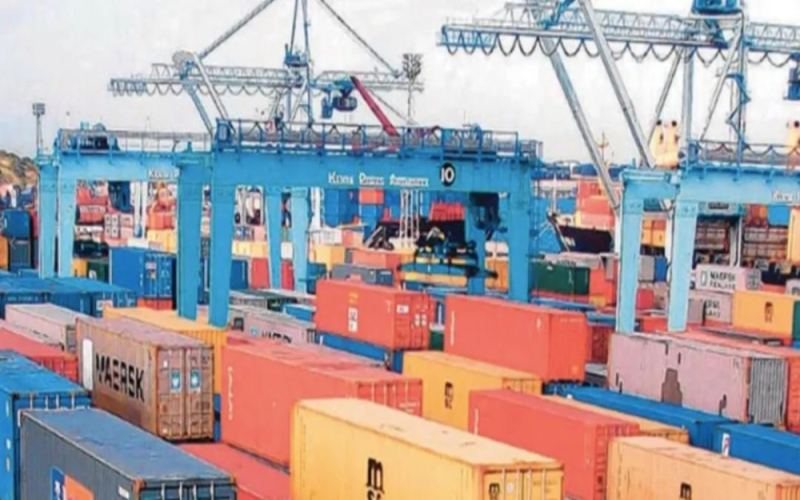
Kenya's customs system was down for five consecutive days, severely disrupting coffee exports through the Port of Mombasa and causing heavy losses.
The Kenya Revenue Authority's Integrated Customs Management System (iCMS) suffered a sudden technical failure that went unrepaired for five consecutive days, severely disrupting operations at the Port of Mombasa and leaving coffee and tea worth billions of Kenyan shillings stranded at the port, unable to be exported. This is not the first time the system has encountered problems; a similar incident occurred in April 2023. As the largest port in East Africa, the Port of Mombasa serves several landlocked countries, and this failure has not only hit Kenya's own trade but also affected the export of coffee and other agricultural products from surrounding areas such as Tanzania, Uganda, and Rwanda. At the same time, Kenyan coffee auction prices have hit a new high for the year, demonstrating strong international demand for its high-quality coffee. [more…]
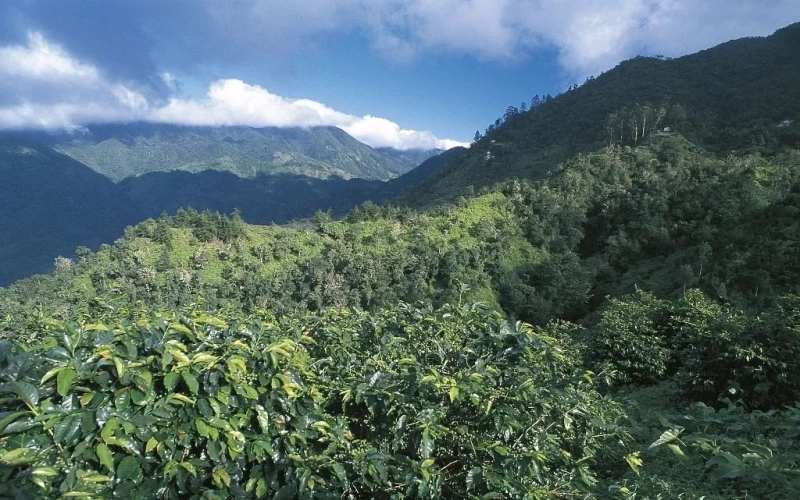
Kenya's Coffee Industry Faces Multiple Challenges: Dual Pressure from New Regulations and Declining Production
The Kenyan coffee industry is facing unprecedented challenges. The latest report from the United States Department of Agriculture shows that, affected by a reduction in planted area and heavy rains, Kenya's coffee production in the 2024/25 marketing year is expected to fall to 750,000 bags, a year-on-year decline of 6.3%. At the same time, new policies and regulations implemented by the government are also profoundly affecting the entire industry chain, with impacts from production and processing to export trade. This series of changes has not only affected Kenya's coffee export volume and prices, but has also had a far-reaching impact on farmers' livelihoods and industry development. Front Street Coffee will provide you with an in-depth analysis of the current situation and future of Kenya's coffee industry. [more…]
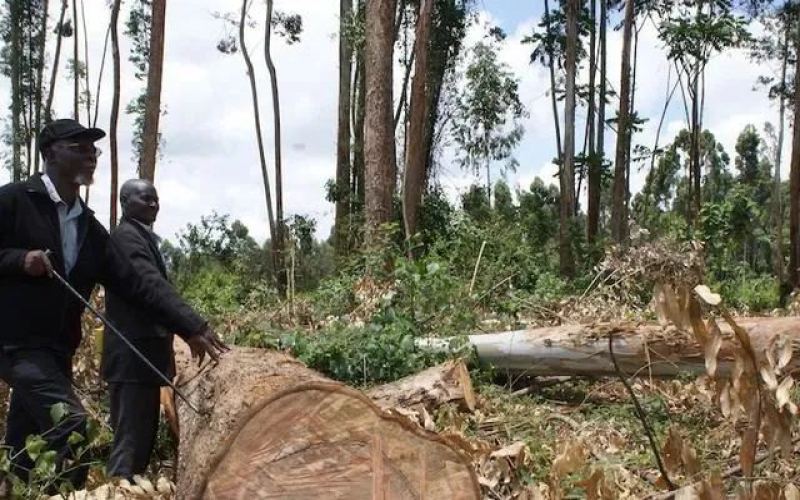
EU Deforestation Regulation Implementation Delayed, Kenyan Coffee Exporters Still Face Mounting Challenges
The European Parliament recently voted to postpone the implementation date of the EU Deforestation Regulation (EUDR) to December 2025, giving Kenyan coffee exporters an extra year of buffer time to adapt to the new rules. However, many exporters remain deeply worried, believing that under current conditions it will be very difficult to meet the EU's strict requirements. The EU is one of the most important overseas markets for Kenyan coffee, accounting for more than 20% of its total exports. Yet with Kenya's fragmented smallholder farmers, underprepared cooperatives, high compliance costs, and multiple pressures including stalled reforms, climate-related production declines, the Red Sea crisis, and port congestion, the outlook for this East African coffee-producing country is full of uncertainty. [more…]

Rwanda Overtakes Uganda to Become Kenya's Largest Coffee Supplier
Data from the Kenya Agriculture and Food Authority (AFA) for the September quarter shows that Rwanda accounted for 43% of Kenya's total coffee imports, reflecting growing confidence in the quality of Rwandan coffee beans. Meanwhile, Uganda's coffee export value to Kenya fell sharply, although in terms of unit price [more…]
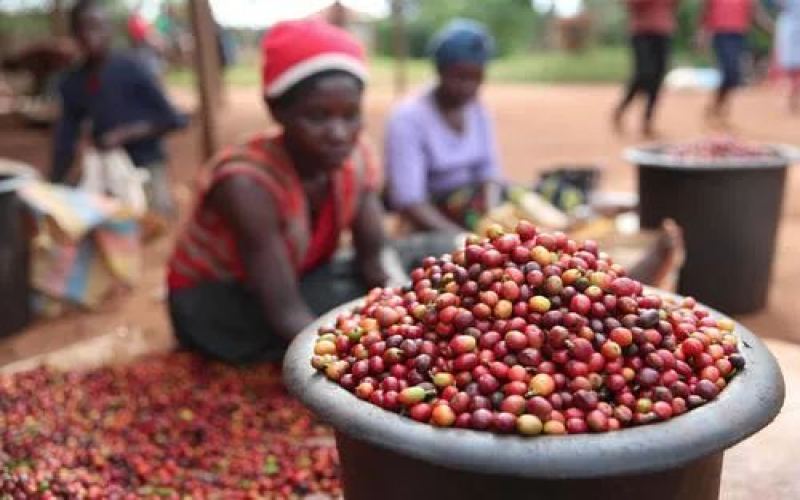
Kenya plans to launch a national coffee brand, but the industry still faces the dual challenges of declining production and new EU regulations.
The Kenya Export Promotion and Branding Agency, in collaboration with the Agriculture Sector Development Agency, is jointly planning to create a unified national coffee brand, aiming to consolidate global marketing resources and enhance the influence of Kenyan coffee in the international market. However, in recent years, the country's coffee production has continued to decline, and export performance has been volatile since 2016. Shrinking cultivation areas, rising production costs, price fluctuations, and unpredictable weather conditions are all constraining industry development. Although the government has implemented reforms to reduce intermediary links through the direct settlement system of the Nairobi Coffee Exchange, tightened processing licenses have led to the closure of large processing plants, with raw materials piling up and even rotting at small factories. Meanwhile, although the EU Deforestation Regulation has been delayed by one year, it still puts considerable pressure on traders and African producing countries. New variables such as the Red Sea crisis, port congestion, and rising domestic consumption have also led Kenyan coffee industry players to place greater expectations on policy. [more…]

Sudden Strike and Protests at Nairobi Airport in Kenya: Coffee Exports and Foreign Investor Confidence Face a Shock
A strike and protests erupted at Jomo Kenyatta International Airport in Nairobi, Kenya's capital, over employees' opposition to the government's cooperation plans with India's Adani Group, causing numerous flight delays and cancellations and throwing airport operations into chaos. This turmoil not only hits tourism and cargo but may also weaken investor confidence, making Kenya's coffee industry even worse off. This article sorts out the cause of the incident, its development, and its chain effects on the coffee industry, helping readers understand the complex situation currently facing East African coffee origins. [more…]

Kenya Embu Region EMBU Kirinyaga Coffee Beans: A Complete Analysis from Variety, Processing Method to Flavor and Brewing
The Embu region of Kenya is located near Mount Kenya, at an altitude of about 1,300-1,900 meters, with fertile volcanic soil, and tea is also an important local export crop. This region is dominated by smallholder farmers, and the fresh cherries are mostly handed over to washing stations under cooperatives for unified processing and export. The ENA factory uses hand sorting, multiple fermentation and scrubbing, and raised-bed drying for 14-21 days, making the flavor cleaner and more acidic. In terms of varieties, SL28 and SL34 originated from breeding in the 20th century for resistance to berry disease. SL28 belongs to the Bourbon genetic group, is drought-tolerant, and has a pure flavor; in the 1970s, Ruiru11 was introduced, which is resistant to leaf rust, tolerant to berry disease, and can be planted densely. The Kiri coffee beans recommended by Front Street Coffee come from the Embu ENA cooperative, at an altitude of 1,600-1,800 meters, with varieties SL28 and Ruiru11, washed processing, and flavors of berries, smoked plum, pomelo, and Earl Grey tea. This article also provides V60 staged brewing parameters and a flavor experience. [more…]

Kenya Kirinyaga Region Domaine Processing Plant: Coffee Characteristics, Grading System, and Front Street Cupping Records
African coffee enjoys a stellar reputation in the global market, and Kenya, as Ethiopia's neighbor, is likewise a high-quality producer that cannot be overlooked. This article focuses on Kenya's famous Kirinyaga region in central Kenya, introducing its geographical and climatic conditions, coffee flavor characteristics, and the operating model and quality control of the well-known local exporter DORMANS. It also outlines Kenya's green coffee bean grading system, including official size grades and industry cup-testing grading standards. Finally, it shares the cupping performance of the Kirinyaga washed beans sourced by Front Street Coffee, delivering flavor notes of blackberry, smoked plum, cherry tomato, and citrus. [more…]
Red Sea crisis compounded by internal policy troubles puts Ethiopia's coffee export supply chain under severe strain
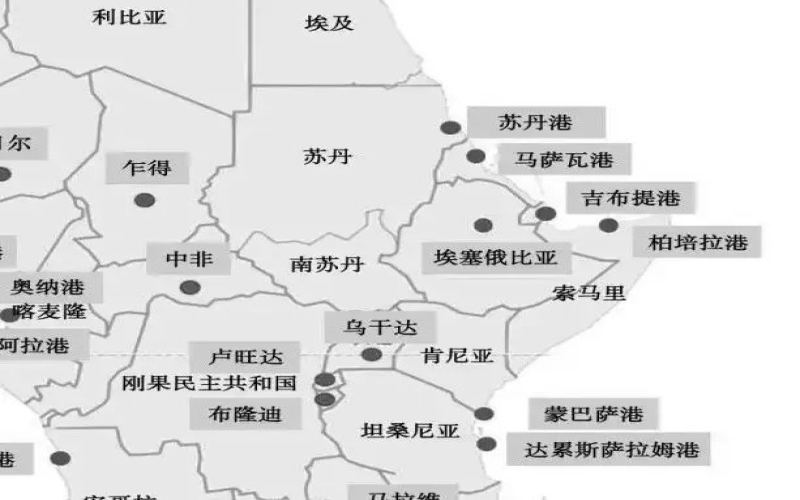
The Red Sea crisis continues to escalate, and Ethiopian coffee exporters are experiencing unprecedented logistics difficulties. Only one ship docks at the Port of Djibouti each month, leaving large quantities of coffee beans stranded at the port, while turning to Kenya's Port of Mombasa means facing a long overland transport route. At the same time, domestic policy factors such as the "vertical integration" plan and caps on bank loan growth are further disrupting the supply chain. Growers and suppliers are owed billions of birr in receivables, which has even triggered violent clashes and suicides. Coffee exporters are calling on the government to come up with a long-term solution rather than temporary fixes. This article will provide an in-depth analysis of how this multifaceted crisis is striking at the export lifeline of a globally important coffee-producing region. [more…]
Kenyan Black Tea: A Century of Tea History and Regional Flavors, from Limuru Gardens to the World's Number One Exporter
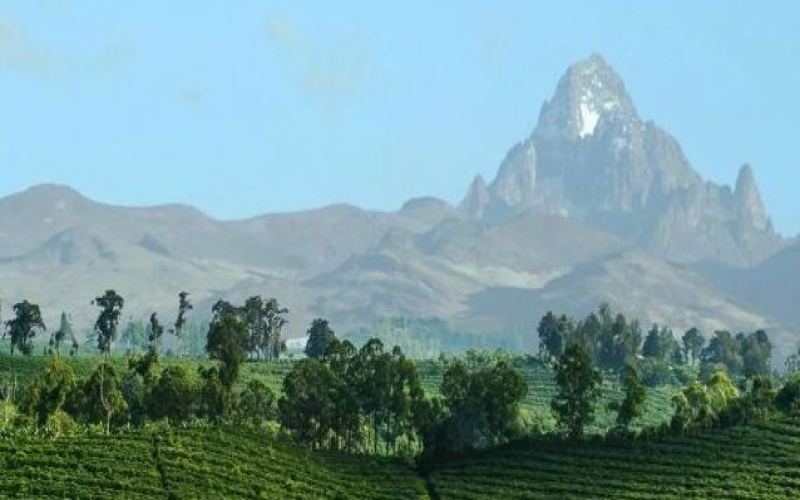
Kenyan black tea is a tea industry powerhouse—fourth in global production and first in exports. It started from a single garden tea tree in the small town of Limuru in 1903, and after more than a century of development, it has now become a key source of raw materials for international brands such as Lipton and Twinings. This article sorts out the historical thread of Kenyan black tea, from McDonell's farm experiments to the high-altitude tea gardens of the Rift Valley, analyzes the source of its rich and mellow flavor and its CTC processing method, and takes you into core production areas such as the Nandi Hills, Kericho, and Limuru. Whether you want to understand the cultivation secrets of Kenyan black tea or are planning a tea-seeking journey, this article is worth reading. Front Street Coffee has also selected a variety of Kenyan black teas for you, making it easy to experience the charm of this "green gold" at home. [more…]
How Are Green Coffee Beans Graded? A Detailed Explanation of the Grading Systems in Major Producing Countries Such as Ethiopia and Kenya
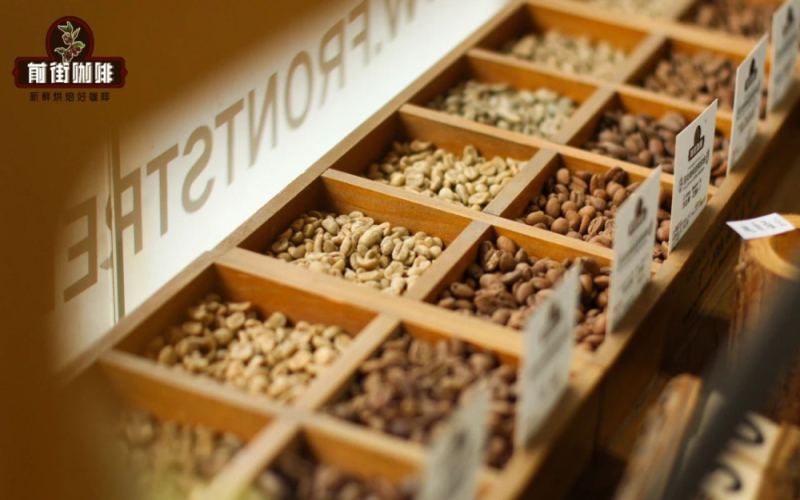
When selecting coffee beans, you often see labels like Yirgacheffe G2 and Kenya Washed AA. These letters and numbers actually represent the grade of green coffee beans. Different producing countries grade green coffee beans based on different criteria, usually assessed comprehensively from dimensions such as bean size, defect count, growing altitude, bean hardness, and cupping score. Understanding these grading rules helps more accurately judge a bean's quality positioning and flavor potential. This article will use representative producing countries such as Ethiopia, Kenya, Tanzania, Colombia, Brazil, and Jamaica as examples to sort out their respective grading logic and naming methods, while retaining relevant product information from Front Street Coffee for coffee enthusiasts' reference. [more…]
How Are Green Coffee Beans Graded? A Full Breakdown from Ethiopia G1 to Kenya AA and Blue Mountain No. 1
Friends who frequently buy coffee beans have surely seen labels like Yirgacheffe G2 and Kenya AA. These letters and numbers actually represent the grade of green coffee beans. Since each coffee-producing country has established different grading systems, the evaluation criteria also vary in emphasis—factors such as bean size, proportion of defective beans, growing altitude, bean hardness, and cupping score can all serve as the basis for grading. In this article, Front Street Coffee will walk you through the green bean grading rules of representative producing countries including Ethiopia, Kenya, Tanzania, various Central and South American countries, Colombia, Brazil, and Jamaica, helping you understand the grade labels on packaging the next time you shop. [more…]

Analyzing the Grading Differences Between Kenya AA and AA TOP: A Detailed Look at the Asalia K72 Washed Beans from the Thika Region
Kenyan coffee is famous for its bright, juicy acidity, and labels such as AA, AB, and AA TOP are common in China. How exactly are these grades divided? Is there a substantial difference between AA and AA TOP? This article will start with Kenya's official grading system, analyze the criteria for grades such as AA, AB, PB, and E, and explain the meanings of secondary grading terms such as TOP, Plus, and FAQ set by exporters themselves. It will also introduce the K72 washed coffee beans from the Asali Processing Plant in the Thika region, which use SL28 and SL34 varieties, are AA grade, and are light-roasted by Front Street Coffee to present flavors of cherry tomato and smoked plum. [more…]
An In-Depth Look at Kenyan Specialty Coffee: Flavor Profile, Regional History, and Auction System of Front Street Kenya AA
Kenya is globally recognized as one of the top coffee-producing countries, and its coffee is famous worldwide for its bright citrus fruit aromas, juicy acidity, and vinous notes. Front Street Kenya coffee is mostly grown in highlands at elevations of 1,500 to 2,100 meters, with two harvests possible per year. In the cup it shows rich layers and medium body, and has long been regarded by industry professionals as one of their most beloved single-origin coffees. This article will systematically examine the unique qualities of Kenyan specialty coffee from the perspectives of flavor characteristics, historical origins, the current state of the industry, and auction mechanisms, and will also introduce the roasting and flavor performance of Front Street Kenya AA. [more…]
A Complete Guide to the World's Twelve Great Specialty Coffee Regions: The Flavor Geography from Colombia to India
The flavor code of coffee is often hidden in the land where it grows. From the Andes in South America to the highlands of Africa, from the Caribbean islands to the archipelagos of Asia, each producing region shapes an unrepeatable landscape in the cup through its unique climate, altitude, and processing methods. This article will take you on a visit to twelve globally recognized high-quality coffee origins—Colombia's balanced smoothness, Ethiopia's wild wine-like aroma, Jamaica Blue Mountain's scarce legend, Yemen Mocha's complexity and variability, as well as the distinctive personalities of Kenya, Indonesia, Hawaii, and other places. Whether you are a beginner pour-over enthusiast or a seasoned player looking for your next bag of beans, this origin guide can help you build a clearer flavor coordinate system. Front Street Coffee will also accompany you in understanding the origins while finding the cup that suits you. [more…]
Kenya Nyeri Region Coffee Grading System and Flavor Characteristics: Examining the Sweet-Acid Balance of AA Washed Beans Through Front Street Cherry Tomato
Kenyan coffee is famous for its clean and refreshing, solid and bright juice-like acidity, but what exactly do the commonly seen "AA," "AB," and even "AA TOP" in China represent? This article starts with Kenya's official coffee bean grading system, sorting out the size, shape, and quality differences among the eight grades AA, AB, PB, E, C, TT, T, and MH/ML, and explains that secondary grading labels such as TOP, Plus, and FAQ, which are independently set by exporters, are for reference only. It then focuses on the Thika producing region, introducing its geographical location, cultivation history, and variety structure mainly consisting of SL28 and SL34, and combines the cupping performance, light roast approach, and iced pour-over parameters of Front Street Coffee's Kenya Cherry AA-grade washed beans to present the cherry tomato, smoked plum, and snow pear-like acidity and honey sweetness of this producing region. [more…]
A Detailed Guide to Kenyan Coffee Bean Grading: The Practical Differences Between AA TOP and AA Grade in Cupping and Flavor
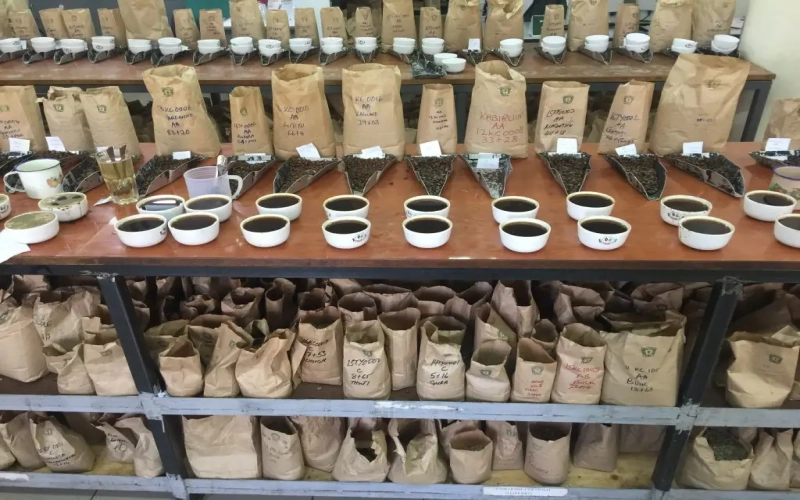
Kenya's coffee grading system has long confused many enthusiasts—what exactly do the letters AA, AB, and PB stand for? Is AA TOP an additional grade marked outside the official classification? This article will systematically sort out Kenya's official green bean grading standards, explaining them one by one from dimensions such as bean screen size, shape, and hardness, while also clarifying non-official labels like TOP, PLUS, and FAQ that exporters add on their own. The article also uses a comparative brewing of two Front Street Kenyan AA beans to concretely present the actual differences between AA TOP and regular AA in terms of cleanliness, complexity, and sweet-acidity performance, helping readers make clearer judgments when purchasing. [more…]
An Analysis of Kenyan AA Coffee Bean Flavor Characteristics, with Detailed Hand-Brew Grind Size, Water Temperature, and Coffee-to-Water Ratio Parameters
Kenyan coffee is renowned for its bright fruit acidity and vinous notes, with the AA grade standing as a benchmark in the specialty market. This article begins with Kenya's coffee industry system and grading and auction framework, outlining the background behind its flavor formation and export history, and focuses on the practical parameters for pour-over Kenyan AA, including grind size, water temperature, and coffee-to-water ratio. It also draws on Front Street Coffee's product recommendations to help coffee enthusiasts brew a layered, well-balanced cup of Kenyan coffee at home. [more…]
Kenya Thika Region Coffee Grading System and Flavor Analysis: AA and AB Grading Standards and Front Street Cherry Tomato Brewing Practice
Kenyan coffee is renowned worldwide for its clean, refreshing, juice-like bright acidity. What exactly do the commonly seen designations in China such as "AA," "AB," and "AA TOP" represent? This article systematically sorts out the grading system for Kenyan coffee beans—from AA and AB to PB, E, C, TT, T, and MH/ML, the specific classification criteria for these eight grades—interprets the characteristics of major varieties such as SL28 and SL34, and analyzes the commercial logic behind exporters' secondary grading. At the same time, it focuses on the Thika producing region, introducing the origin background and flavor performance of Front Street Coffee Kenya Little Tomato, an AA-grade K72 washed bean, and includes the detailed parameters for high-concentration, high-extraction iced brewing along with the three-stage operation method. [more…]
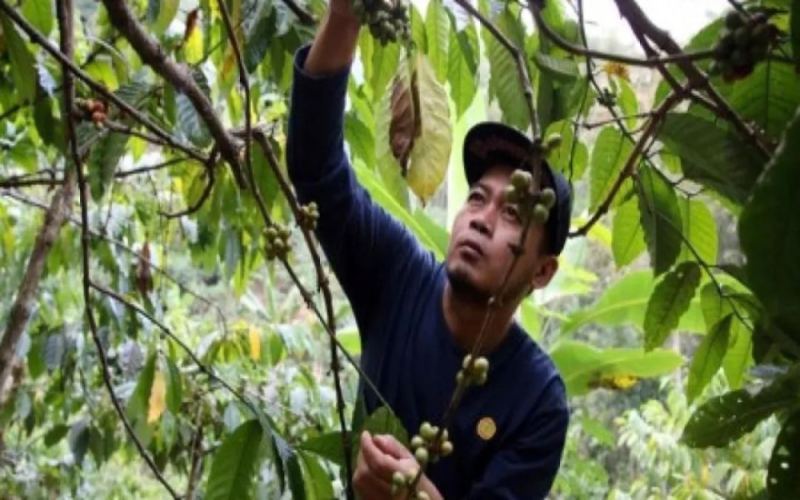
El Niño Hits Key Robusta Growing Regions, Coffee Prices Climb as Arabica Exports Strengthen
The ongoing El Niño phenomenon has continued to intensify recently, bringing high temperatures and drought to coffee-growing regions in Southeast Asia. Robusta coffee production in Indonesia and Vietnam has declined noticeably, and export prices have risen sharply as a result. Meanwhile, Arabica-producing countries such as Honduras in Central America and Kenya in Africa have shown strong export performance, with prices remaining stable. This article reviews changes in production, exports, and prices across major producing regions to help coffee enthusiasts grasp the current supply-demand dynamics and future trends of the global coffee market. [more…]